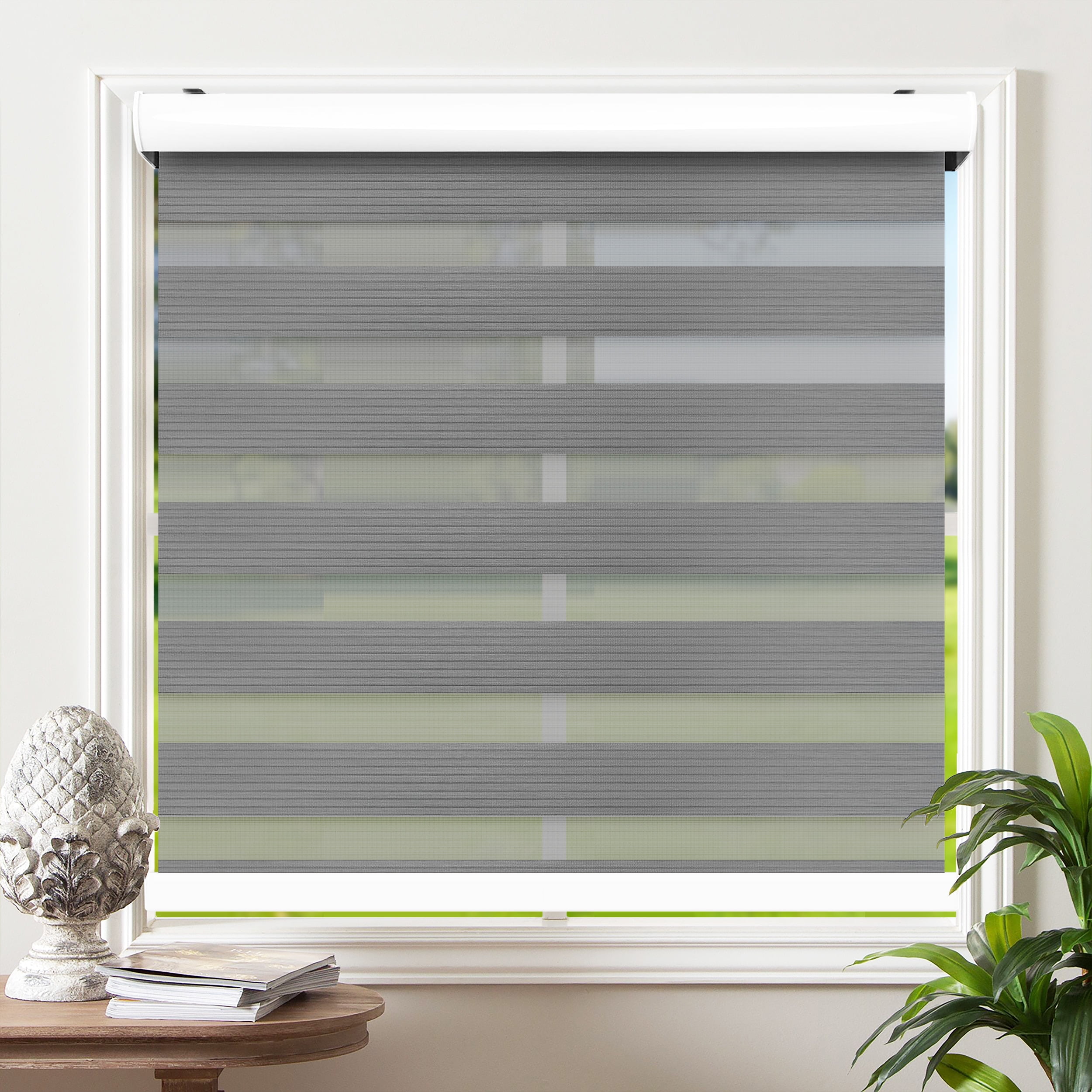
The Local Smart Guide to Perfect Blinds
Blinds Can Be Used To Block Sunlight And Protect Your Home.In Australian homes, sunshine has become a valuable commodity. Its warmth and happiness are sought after however we have to take care of its darker aspects. The intense UV radiation and penetrating warmth could turn a rug into faded memories or transform a living space to a sweat-box during the day. Blinds aren't only about privacy or fashion. They're also an essential choice for protection against the elements. Blinds are the primary shield you use to protect yourself from the Australian sun. Understanding the different ways that different materials deal with UV and heat is the crucial to maintaining your home's interior, your comfort and cooling budget. It's about choosing a barrier, not just covering.
The assault on our windows is two-pronged. The primary one is UV radiation. In Australia, it's among the strongest in the world. This invisible energy is responsible not only for sunburns but also for dissolving dyes and fabrics. It's this silent energy that turns vibrant crimson pillows into washed-out pastel pinks. It also creates a backdrop for photographs or artwork behind glass to lose their. The solar heat gain is a second reason. Infrared radiation transforms glass into radiant heating elements. The sun's heat gain could overwhelm your home, turning the air conditioners on high-speed and raising your electricity costs. Blinds that are designed to provide only shade will only serve half the purpose. They must be designed to regulate both light and thermal energy.
The first step is to filter light. step in protecting your home. Simple fabrics that are not lined like Roman or roller blinds will reduce glare and offer some privacy, but they offer little protection against heat and UV. These blinds aren't made to block the sun and heat, but instead provide protection for your eyes. To ensure your eyes are protected it is essential to look at specialised fabrics and weaves.
The first winner is the sunscreen or filter weave. It is a precise product, often made of synthetic mesh and that is covered by PVC or some other compound. The secret to its genius is the filtering selectively. It diffuses harsh sunlight to create the appearance of a soft, pleasing luminescence. This helps you stay close to the world while preventing harmful UV Rays. It is a window-sized durable pair of top quality sunglasses. This intelligent and modern product is great for areas that need light but do not want it to cause damage to walls, such as living areas, sunrooms or home offices. The quality of the weave is determined by Openness Factor. This is the proportion of weave that has open space.
The blockout fabrics provide the ultimate in defence for situations that require complete protection. Blockout materials are densely woven tight woven fabric typically backed with an acrylic or rubberized coating. They offer a near-total blockage (99.5 percent or more) in both UV and light. If they are completely lowered, they create an illusion of darkness which is ideal for bedrooms and media rooms. The thermal insulation is the main benefit of these shades. In creating an air-tight barrier, they reduce the transfer of heat dramatically, keeping summer warmth and winter warmth inside. The latest versions have a reflective, often metallic, backing that absorbs solar radiation off the glass.
Honeycomb blinds or Cellular shades are examples of structural design. Their unique hexagonal folds are engineering marvels. The pockets in the verticals trap air and create an insulating layer that reduces heat's movement. Double-glazing your blind is a good idea. Their dense fabric walls provide great UV blocking, and have excellent thermal performance all year round, keeping interiors cool in summer and warm in winter. They are energy efficient and typically at the top of the list.
In assessing materials, you should look past the color of the front. Find out about the composition and treatment. Solution-dyed fabrics (like polyacrylics and polyesters) with the colour embedded in the fibres, is naturally durable to fade. Look for UV inhibitors that are used during the process of manufacturing. The quality and thickness determine the endurance and longevity of the vinyl or PVC blinds.
Asking objective questions to a supplier will assist you in avoiding an emotional dialogue ("I like that colour"). Ask questions that reveal the truth, such as "What is the exact UV block percent of this fabric?" "Does it contain a reflective or thermal backing?" What's the anticipated fading life of this product in a window that faces north? The service you choose is likely to be able answer these questions. They will likely also inquire about what your window's location is and the type of material you would like to choose. They understand the difference between a blind that is appropriate for bedrooms facing south and a blind which is appropriate for a lounge that faces north, with furniture made of silk.
The final, often underrated aspect is the operating and fit. The gaps can cause damage to the most advanced material. It is essential to hire a professional installer the blind so that it fits tightly within its recess and is able to overlap its frame. This will prevent any "light leakage," tiny fragments of sunlight that may cause fading. The ease of use will also determine how often the blind is deployed. The reason for a heavy blind is defeated when it's open. Smooth, cordless and motorised operation makes using the blind an enjoyable experience rather than an exercise.
In the long run purchasing blinds that provide UV and thermal protection is the most effective strategy. It's an investment in the preservation of your furniture, flooring and art. The money you invest is in efficiency - reducing the load on your cooling system and your energy costs. And it is an investment in liveability--creating comfortable, glare-free spaces that are a joy to inhabit throughout the day's changing light.
Blinds in Australia are not only for decorative purposes. The sun is a significant and permanent force. The blinds are an important component of the system of controlling temperature in your home. The best material to choose is that you let the sunlight into your home on your terms. You will be able to enjoy the view without cost and the colors will remain vibrant. A smart approach to using shading is essential to a comfortable and sustainable living. Check out the recommended blinds for website examples including high window shades, the perfect blinds, the window shade, blinds to go blinds, time blinds, blinds in store, local window shades, blinds direct discount, blinds online australia, the window shade and more.
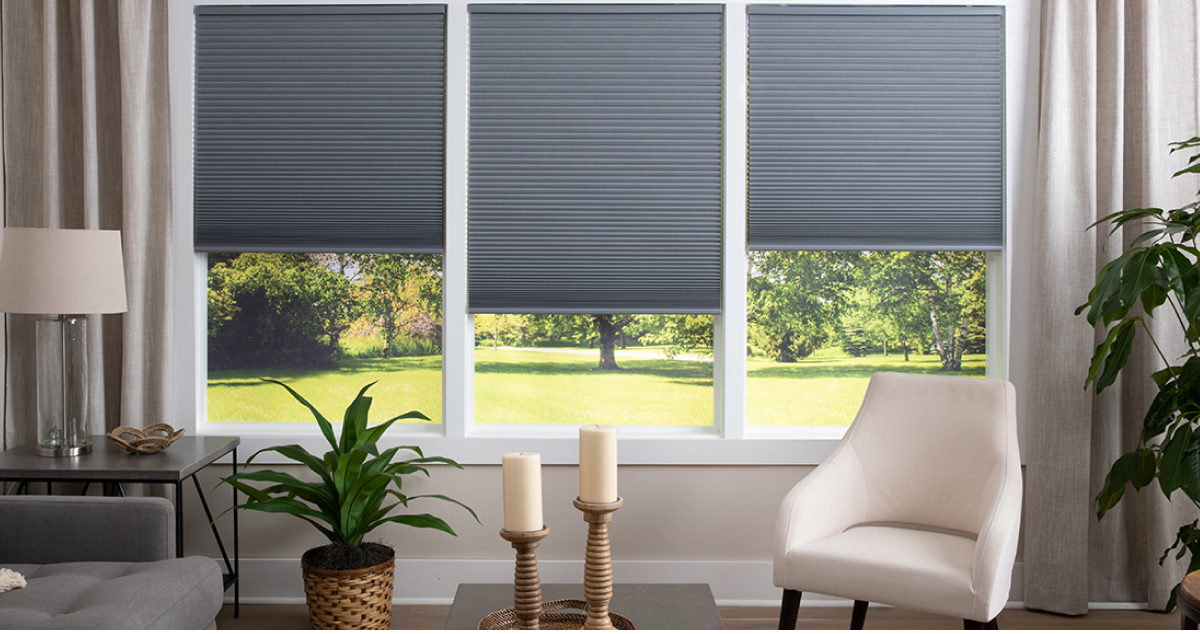
The Invisible Shield: Why Australian Standards Are Your Buying Guide
It's not just an aesthetic choice when you pick blinds for your Australian house. However, interspersed into this decision are the laws of engineering, and a commitment to safety you likely never notice. The hidden framework is the collection of Australian Standards--mandatory and voluntary regulations that govern everything from the tensile strength of a cord to fire resistance of a fabric. It isn't just something that is technical. It's an assurance that a product has been designed to withstand and protect against the unique requirements of our society and the environmental. It is the definitive line between a product that is merely available and one that is appropriate.
The Australian Competition and Consumer Commission's (ACCC) mandatory standard for corded inside window curtains is among the most significant. This isn't just a recommendation; it's legal. It was born out of tragic events and its goal is simple: to eliminate the possibility that children could be trapped. It is a requirement that every new corded window blind be fitted with specific security devices. These include tensioners that need to be permanently fixed to the wall to keep the cords short and taut as well as breakaway devices that release when pressure is applied. Crucially, the standard details how a product must be installed to be compliant--instructions that must be provided with the product. Vendors selling blinds with cords but do not have these features or suggest you do it yourself in the future, aren't selling a product that is standard-compliant. The best option for the customer is to choose cordless or motorised blinds, since they're the most regulated.
Other Australian and New Zealand Standards, (AS/NZS), inform quality and performance. Although not all of them are required to purchase, their use by respected manufacturers means that the product is built according to a verified benchmark. One of the most important is AS/NZS 60335.2.97 which is the standard of household security standard for blinds. It details specifications for durability, operation, and safety across various blind types. It contains tests to determine the force required to control. If it is too tight, it will stress components. If it's too loose, it will perform unpredictably. The standard evaluates the strength of ladders, tapes and venetian and vertical blinds. It checks that they can stand up to repeated use without deterioration. The blind that is in compliance with this standard has been examined in a laboratory for a long time and is an excellent indication of its longevity in your home.
AS/NZS 1530.3, for example, governs the fire-resistance. It's not a requirement for residential buildings, but it is possible to require it in multi-residential environments like hotels apartments, hotels and aged care facilities where the Building Code of Australia mandates specific fire hazards. In these cases, blinds will need to be constructed from fabrics that are non-combustible, or have passed strict tests for fire propagation and smoke. For the average homeowner, choosing a product that meets the fire safety guidelines suggests a more durable material, often with better resistance to heat and a lower propensity for fast flame spread. This can be an extra, and often not advertised security layer.
Australian standards for material performance are of the same importance. Standard tests for UV degradation, colourfastness, and how the material will perform under the intense Australian sun are available. Fabrics that have been certified as meeting applicable UV standards has shown to withstand physical and colour degradation for a specified period in the presence of Australian conditions. For outdoor blinds or those in sunrooms, search for references to AS/NZS 4388 that covers outdoor fabric performance. For aluminium components, especially in coastal areas, guidelines regarding anodising and powder coatings ensure that finishes are resistant to corrosion from salt spray. Here, compliance doesn't refer to safety from injuries. It means safety from premature failure of the product. It's a guarantee that the product will look and function as designed for many years after the installation.
So, as buyer how can you prove this non-visible compliance? Acceptance of passive acceptance is replaced by active inquiry. Contact the supplier directly: "Can you confirm this product and its installation will be in full compliance with ACCC's required corded blind standard?" "Does this fabric/component come with a test certificate against the relevant Australian Standard for UV stability/fire performance/coastal durability?" Reputable suppliers will not be affronted by these inquiries; they will consider them evidence of a knowledgeable buyer. They should be able to offer documentation or manufacturer's declarations of conformity. Be wary of products that don't reference Australian Standards, especially those that are purchased on the internet. They are created for a general market and not to meet the regulatory and environmental requirements of Australia.
This due diligence is important beyond the front door. Products that are not compliant can pose a risk for your health, invalidate your insurance coverage (if they are the cause for an incident, such as a fire), or end up failing prematurely. There's no recourse in the local area for warranty claims. It is risk mitigation to choose the product that is tested and approved by a local company. It ensures your purchase contributes to, not harms the security and integrity of your home.
Australian Standards, in the end, are a collective pact for quality and security. They reflect the experience of experts from industry and engineers, as well as safety experts, who are working to define "fitness for purpose" for the Australian home. When you choose a product that is compliant is not simply buying a blind. You are buying the confidence that each material is considered, each mechanism has been tested, and every known danger has been eliminated. The compliance with Australian Standards, in a market that is flooded with alternatives, is the only way to differentiate between market-ready and home-ready products. This invisible shield allows the consumer to enjoy their view without having to worry.